

by Lars Leicht
People usually don’t leave places where they are very happy. Late-19th and early-20th century Europe was rife with many unhappy places, usually at a crossroads where cultures and nations conflicted. From there springs most of my ancestry. The people tell the story behind it all, but the places explain the reasons they left their homeland to start a new life. Here are the four towns from whence my roots were transplanted.
Part 2: ORBIS, Germany

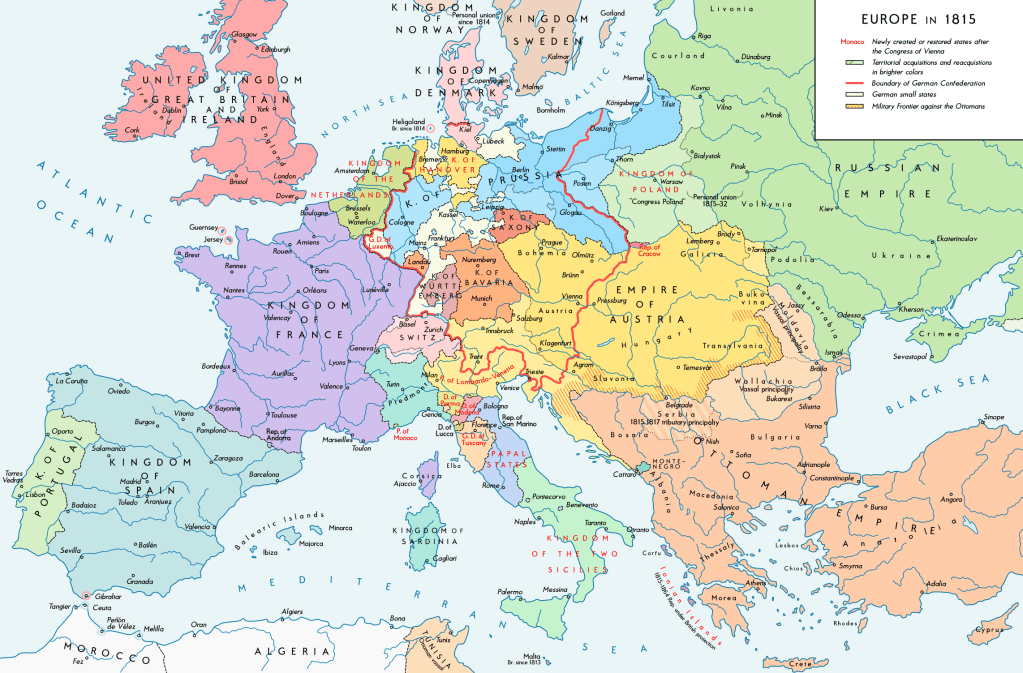
Located not far from the border with Luxembourg in Germany’s Rhineland Palatinate, Orbis is located within the larger municipality of Kircheimbolanden in the Donnersbergkreis district. The Rhineland was ruled by local Frankish princes in the Middle Ages, a key part of the Holy Roman Empire at its northwestern border, and at times ruled by Prussians, Austrians and Bavarians. France invaded and annexed the region as part of The First French Empire, ruling it as a Department from 1798 to 1814. In the post-Napoleonic Congress of Vienna treaty of 1816, it was awarded to Austria which then quickly traded it to the Kingdom of Bavaria in exchange for the Tirol. It remained part of Bavaria from German unification through WWI. Because of its borderland position, it saw heavy fighting in both world wars.
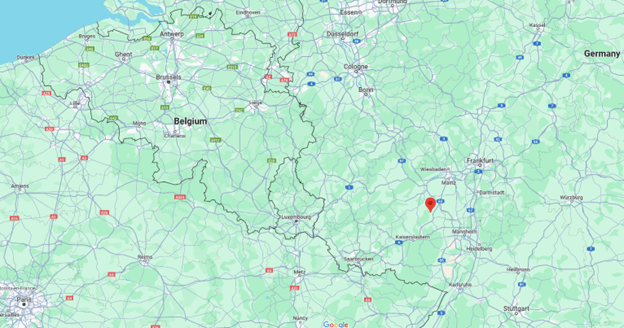
My great-grandmother Elisabeth Fuchs was born in Orbis on December 9, 1874, the sixth of seven children of Martin Fuchs and Maria Frantz. Martin owned and operated a local Tavern which was started by his father and carried on by his son, both named Martin and whatever the name of the bar was it was always referred to as Martins well into the 20th century. The region’s culture has always been a mix of German and French – in fact, in her 1935 declaration of intention to naturalize as a US citizen, Elise’s sister Emma declared her nationality to be German but her race to be French. Elisabeth used the diminutive Elsie when she felt German (and often referred to herself as “Elsie from the Rhein”) but more commonly went by the French Elise.
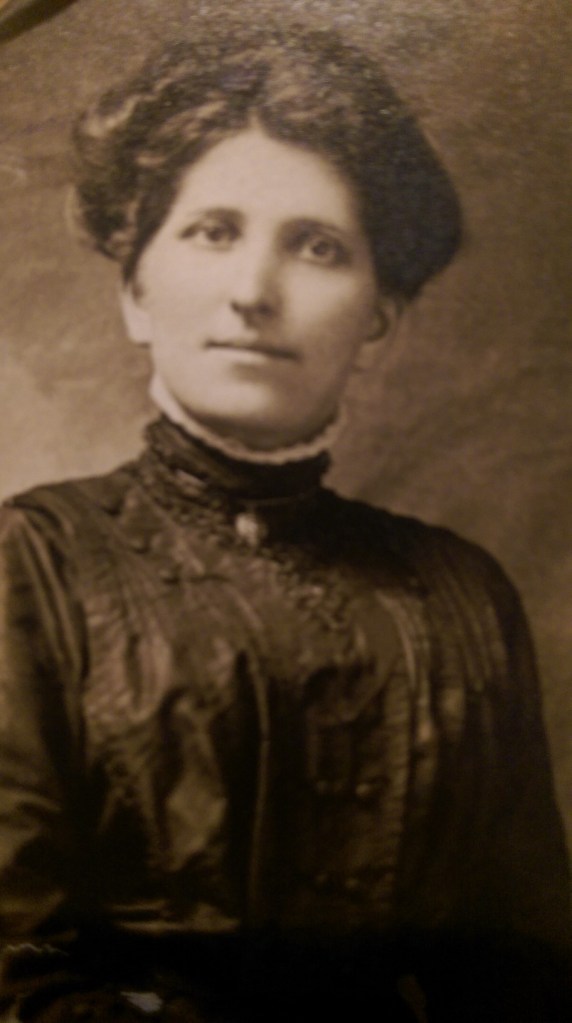
Elise emigrated from Orbis when she was 17 years old, sailing in steerage aboard the Waesland from Antwerp to New York in 1891. There was no evident political strife in the area, so my assumption is that coming from a large family in a small town there wasn’t a lot there for her or her sisters. She was registered on the ship as a “gentleman’s servant,” indentured by a family to work for them but once at the port she escaped and connected with her sister Emma to start a new life. In 1898 she met and married Michel Naujoks, see section on Klaipeda/Memel and Michel Naujoks, above, for more information on Elise. She died on December 22, 1953 from an accidental gas leak in her apartment. For more on Elise and her story, see here and here.
 So The Story Goes Like This...