

By Lars Leicht
People usually don’t leave places where they are very happy. Late-19th and early-20th century Europe was rife with many unhappy places, usually at a crossroads where cultures and nations conflicted. From there springs most of my ancestry. The people tell the story behind it all, but the places explain the reasons they left their homeland to start a new life. Here are the four towns from whence my roots were transplanted.
PART 1: MEMEL/KLAIPEDA
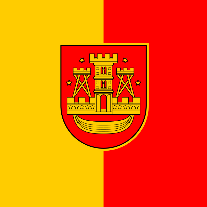
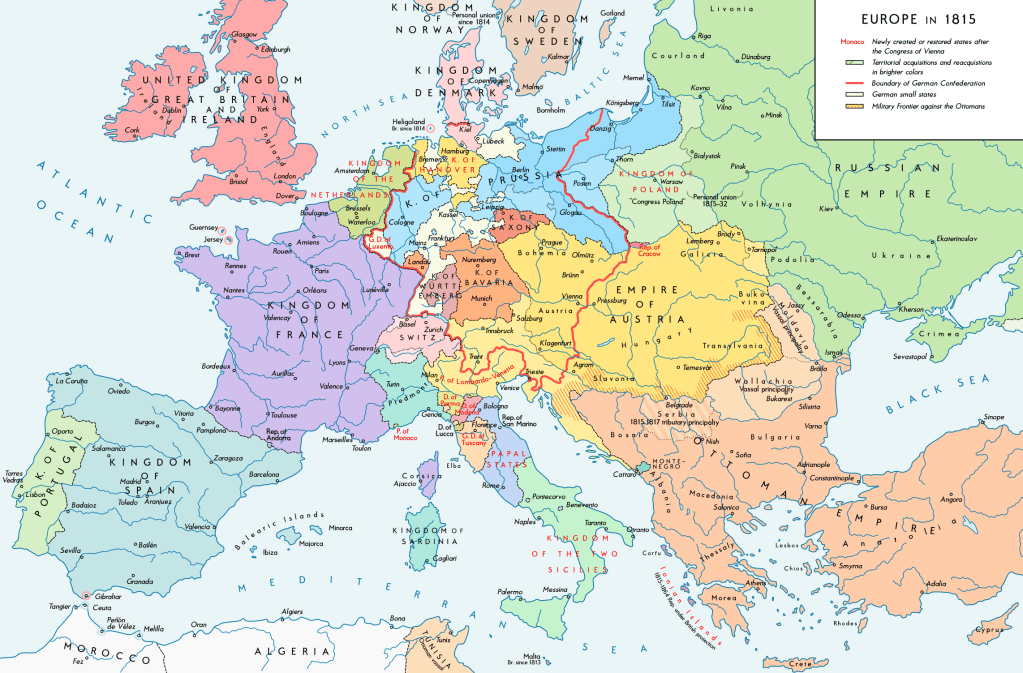
The port city in modern-day Lithuania where the Baltic Sea meets the Dane River, Klaipeda was known from the 13th to the 20th century by its German name, Memel, for the castle Memelburg built by Teutonic knights in 1252. Around the same time it was colonized by settlers from Holstein, Germany. Around 1323 the Prussian branch of the Teutonic order took Memel to protect it from raids by Lithuanian tribes who coveted the city for its access to the Baltic Sea and its trading ports. The hostilities persisted into the early 15th century when borders where firmly established and the town became part of a Polish-Lithuanian union and in 1701 the Kingdom of Prussia. The Russians were the next raiders, occupying Memel and its fortress from 1757 to 1762. It rejoined Prussia in 1773 as part of the newly formed province of East Prussia. The next decades saw a boom for trade with the English that would last for the next century, as the region’s wood manufacturing was vital in building Great Britain’s Royal Navy. Merchants there flourished until Napoleon’s blockade to weaken the British Empire. After the unification of the German Empire in 1871, Memel became Germany’s northernmost city. Its population grew, but development was slow as Germany invested its resources in other cities, especially the nearby regional capital of Konigsberg, today known as Kaliningrad in a Russian province separated by the motherland and sandwiched between Lithuania and Prussia which again indicates the geo-political strategic importance of the area. Though it remained the central point of the Baltic timber trade, the absence of heavy industry in the late 1870s and 1880s caused Memel to stagnate.
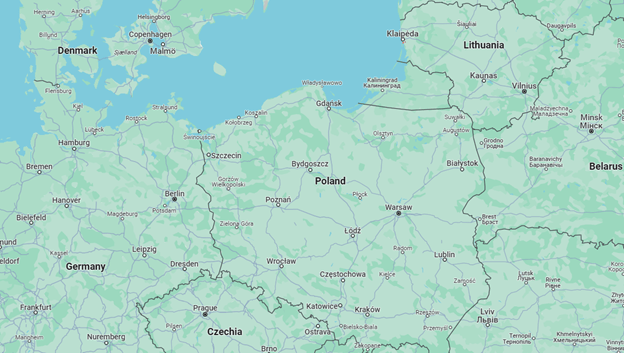
This is likely when the family of Michael Naujoks, my great-grandfather who was born in 1862, decided to move to Skarren in the German region of Holstein. Since they were already German citizens, it was a simple migration rather than a change of nationality. It is unclear if their ancestors were among the colonists from Holstein in the 13th century, but they considered themselves ethnic Germans. Michael spoke both German and Lithuanian; his pocket bible was printed in Germany but other than the introduction its text was in Lithuanian. He was probably around 10 to 15 years old when they migrated, and family lore says that he served in the German merchant marine and sailed around the world.
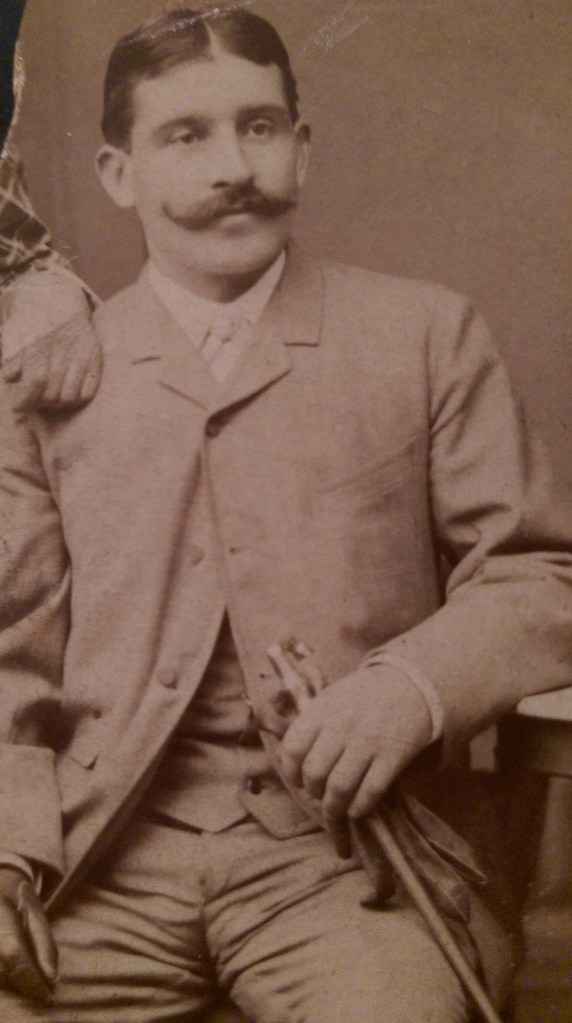
One photograph of him as a young man shows him well dressed and groomed, wearing leather gloves, holding a walking stick and sporting a handlebar mustache. Despite intensive research there is no documentation of this man’s migration to the US, only that of another Michael Naujoks around the same age entering the port of Baltimore in March 1897 on the S.S. Halle from Bremen, ending up with his uncle in Dayton, Ohio, and previously having been to the US in 1891. Our Michael, also known as Michel, married Elisabeth Fuchs on March 19, 1898, and had two daughters – Harriet (Hattie) and Bertha (Bada), my grandmother. On his application for naturalization with the US Court’s southern district of New York Naujoks dated May 31, 1902, it says he had been continuously in the US since August 1893 and in New York since October 20 1894. Around 1905 he traveled back to Bremen with his two young daughters for a family visit. He and Elise divorced at some point but according to census records Michel continued to live with his ex-wife, her new husband, and the two girls from at least 1910 through 1915. He died in 1926.
As for Memel, after WWI it was taken away from Germany; they took it back in the 1930s but after WWII it became part of Lithuania and henceforth known as Klaipeda.
For more on the man I have dubbed “Mystery Mike” see here and here.
Next Installment Thursday December 28: Orbis, Germany
 So The Story Goes Like This...