

Those who know me are keenly aware of my strong connection with Italian heritage. Because my maternal grandparents came from the same town in central Italy, it was easy to discover my roots and forge strong personal relationships with a wealth of relatives there.
I always felt a bit guilty about not connecting more to my paternal side, but it was as Facebook used to say about relationships: complicated.
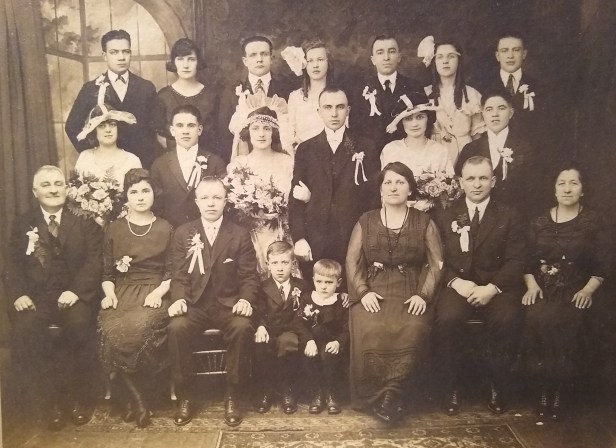
My paternal grandmother Bertha Naujoks was born in New Jersey to ethnic Germans who came from disputed areas:
- Great Grandma Elise Fuchs left the small town of Orbis in the Rhineland-Palatinate, or Rhein Pfalz as she called it, in 1891. That area had been ruled in medieval times by the princes of Nassau-Weilburg; the First French Empire from 1792 to 1814; and the Kingdom of Bavaria from 1815 until the Unification of the German Empire in 1871, three years before Grandma was born. I’ve recently discovered distant relatives in Orbis who provided me with a family tree tracing back to Elise’s great-great-great grandfather; I hope to visit there in 2020 but that story is for another time.
- Great Grandpa Michael Naujoks, who we think also came to America in early 1890s, was a Prussian-Lithuanian whose land also changed nationalities multiple times, mainly between Germany and Lithuania, though much of his family eventually settled in northern Germany. This part of my roots holds the deepest mysteries and I’m struggling to unlock them.
My paternal grandfather Peter Leicht was also an ethnic German from a contested land in the eastern reaches of the Austro-Hungarian empire, of which he was born a citizen.


I have been sleuthing into my Leicht origins for decades, but this past year was able to uncover much information and to make a long-desired pilgrimage. That was a most excellent adventure indeed, but first, let’s put things in context.
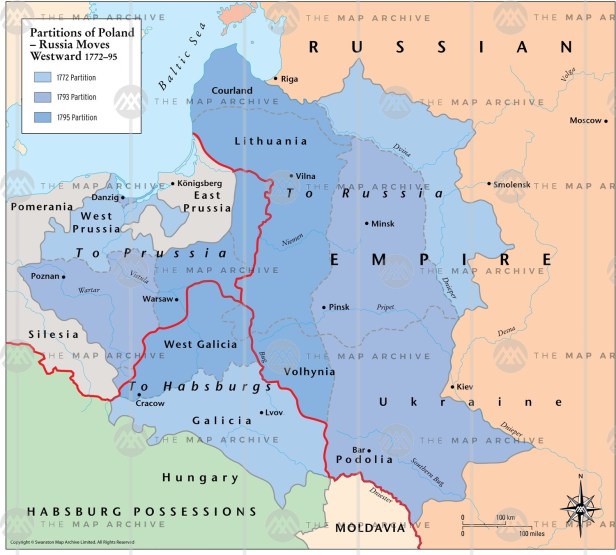
In 1772 Austria, Russia and Prussia divided between them the lands that had been Poland. Convinced that the natives of his new territory were agriculturally inept, the Archduke of Austria Joseph II offered a sort of homesteading package to attract skilled German farmers willing to cultivate the land they would call Galizien, or Galicia in English. The German families formed small farming colonies that received government support including newly built homes, farming tools, supplies, tax exemptions and military draft exemptions in exchange for the hardships of frontier living.
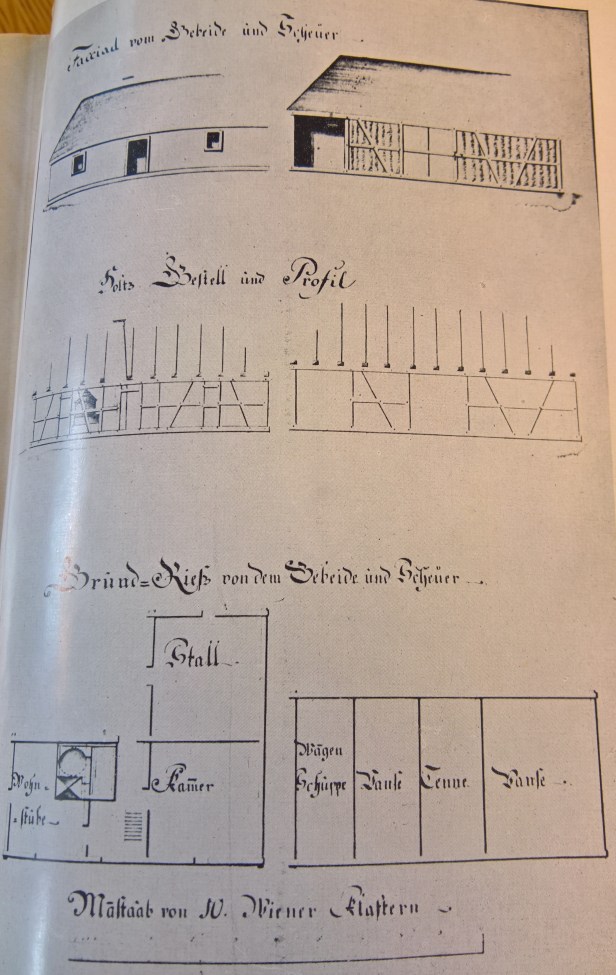
In 1783 Nikolaus Leicht, who would be Peter’s great-great-great-grandfather (if not a generation more, the records are sketchy) heeded the call and left his town of Filzen on the Saar River in western Germany, not far from what is today Germany’s border with Luxembourg. After a long journey by river and land with a stop in Vienna to register with the authorities, Nikolaus initially settled with his wife and son Peter in a colony near Lubaczow in modern day Poland.
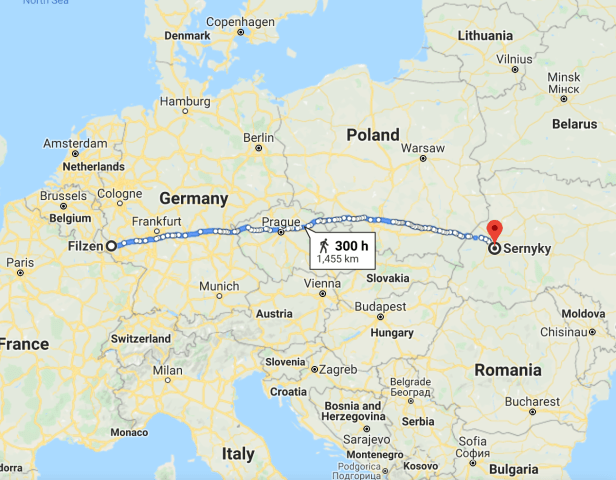
Around 1820 Nikolaus’s son Peter, now married and with two sons, took his own family further east in Galicia to the Rehfeld colony, about 40 miles south of the city of Lemberg, today known as L’viv in Ukraine. We don’t know the exact reason for that second move, but it coincided with renewed migration east that followed the chaos of the Napoleonic wars in western Germany.
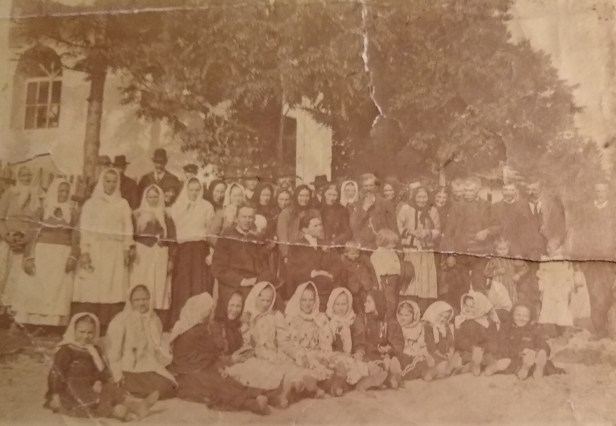
The German families in Rehfeld married between themselves, skirting incest yet keeping it tight enough so that just a handful of surnames (Leicht, Scheib, Deutschmann, Folmer, Fink, Schmidt, Spath, Lang, Pfeifer, Knaff, Utzig) carried the colony forward for 150 years.
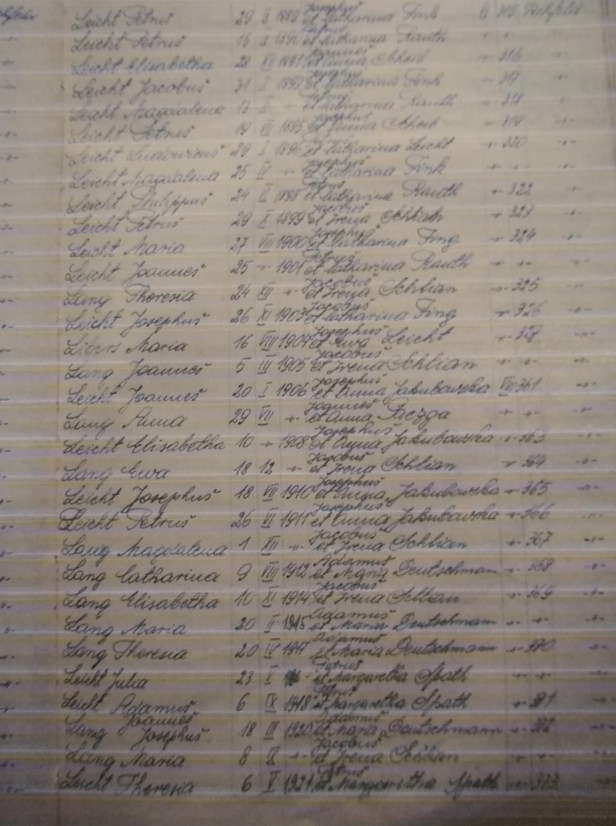
In March 1912 my grandfather Peter, 16 at the time, left Rehfeld to join his older brother Josef who had decided to bring his young family to America. Here too, the exact reasons remain shrouded in time, but with six older sisters and a set of elderly parents, no doubt the house was crowded and the land to farm limited.
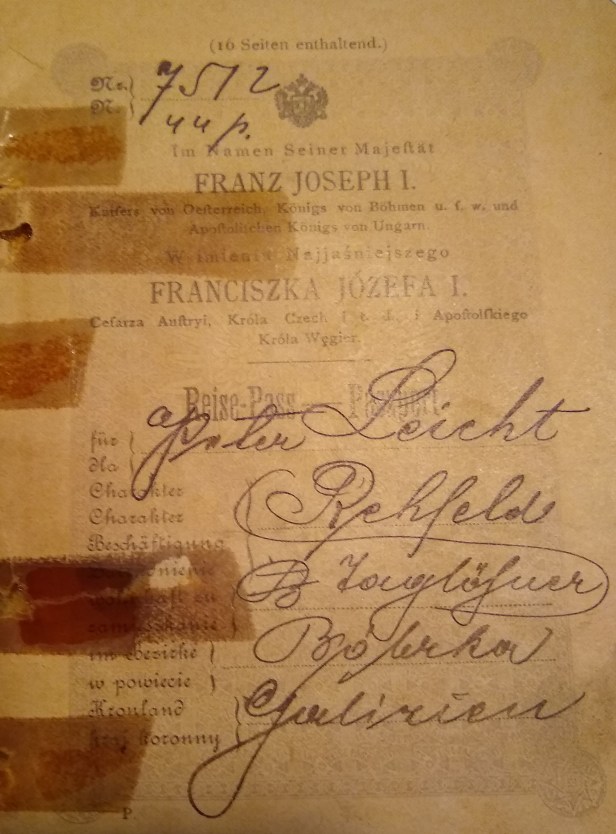
His timing was fortuitous. Within two years of his emigration, World War I fell on Europe and hit hard in the crossroads region near Rehfeld. One of the first brutal salvos took place in nearby Lemberg, where Peter had boarded the train to take him to the Port of Trieste and on to America. The 1914 Battle of Lemberg, also known as the Battle of Galicia, was a fierce clash between the Austro-Hungarian and Russian armies. Initially it blew the Austrian rulers 100 miles west, backing their decimated army up against the Carpathian Mountains and leaving the region in Russian hands. The Austrians countered in 1915 and expelled the Russians. With the war’s end and the collapse of both the Austro-Hungarian and Russian empires, Galicia became part of Poland, but not before a bloody civil war between the Polish and Ukrainians there that finally ended in 1920.
Rehfeld was remote from Lemberg but close enough to get trampled. Peter’s family fled southwest to Hungary; his parents would die there in 1916, though the sisters would return to Rehfeld after the war. The former colonists continued to maintain their old ways until the advent of the next ‘great’ war. In 1939 as part of the Molotov-Ribbentrop pact between Russia and Germany, ethnic Germans – including at least one of Peter’s sisters, Eva – living in Eastern Europe were repatriated to Germany.
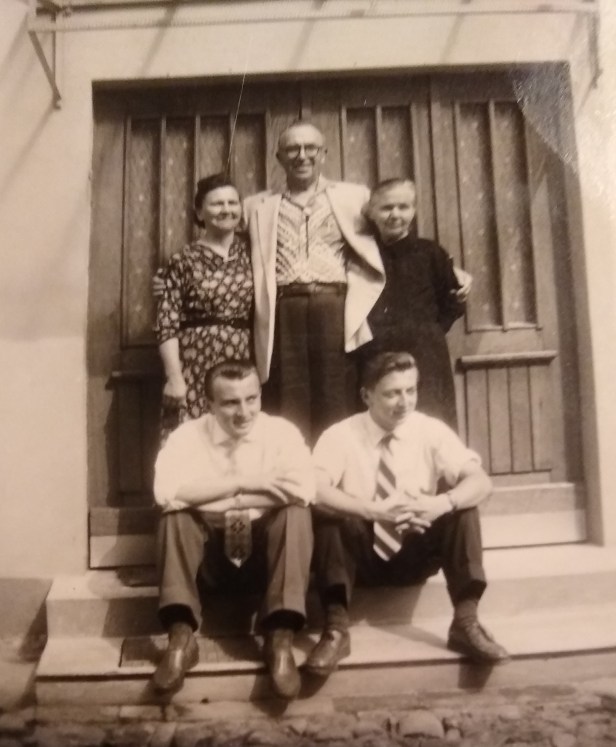
My grandfather was able to visit his sister Eva in Germany in 1954; another sister’s family settled in England, one in Brazil… but Rehfeld itself was locked behind the iron curtain, becoming part of the Soviet Union after World War II. In 1991, it became part of an independent Ukraine. That would make it possible for me to do something that was previously impossible – visit my grandfather’s birthplace, though it took another 28 years for me to embark on that journey. Better late than never?
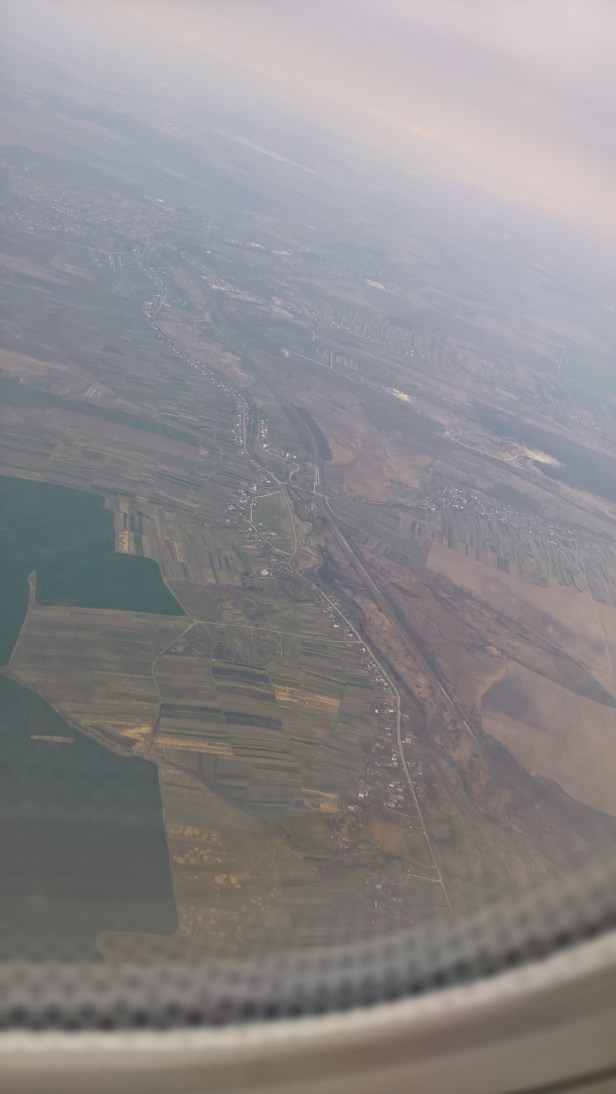
Now that you’ve had your history lesson, stay tuned for tales on that adventure!
 So The Story Goes Like This...